From daylight to electricity
Photovoltaic cells respond to daylight, not heat. Stronger irradiance generally means more generation, but panels can still produce electricity in diffuse light.

Solar PV panels turn daylight into direct-current electricity. An inverter converts it into alternating current your property can use; electricity is used on site first, while surplus can be stored or exported.
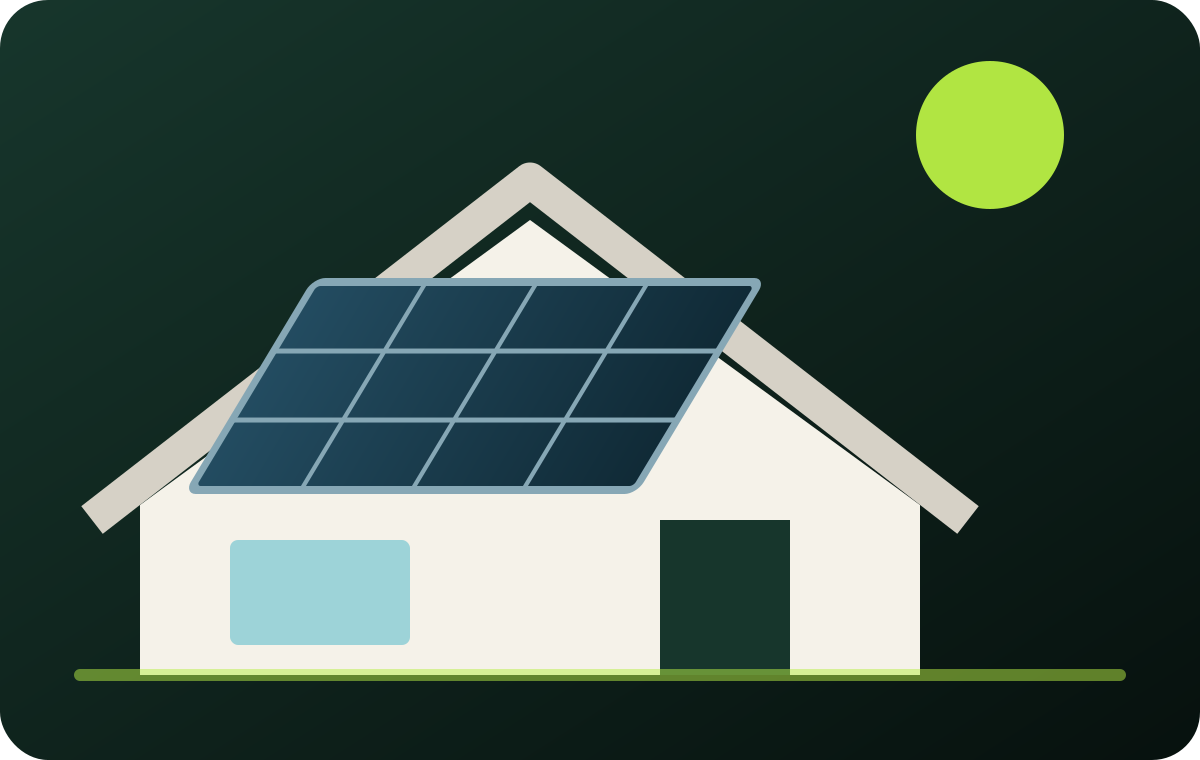
Solar PV panels turn daylight into direct-current electricity. An inverter converts it into alternating current your property can use; electricity is used on site first, while surplus can be stored or exported.
Photovoltaic cells respond to daylight, not heat. Stronger irradiance generally means more generation, but panels can still produce electricity in diffuse light.
The inverter converts DC electricity from the array into AC electricity compatible with the building and grid. It also monitors operating conditions and safely disconnects when required.
Your property normally consumes available solar generation before importing the balance from the grid. Surplus can be exported or, where fitted, diverted into battery storage.
Panel orientation, shading, array size, inverter selection, cable routes, network requirements and your consumption pattern all influence a real design.
HEY Solar keeps technical and financial claims tied to the assumptions that make them true. Guidance is reviewed against authoritative UK sources and property-specific decisions belong in a survey and design.
Knowledge Hub review: September 2026.A quotation can use the actual roof, electricity use and project requirements rather than generic assumptions.